
4 Reasons Event Marketing Works
A case for more parties in 2026
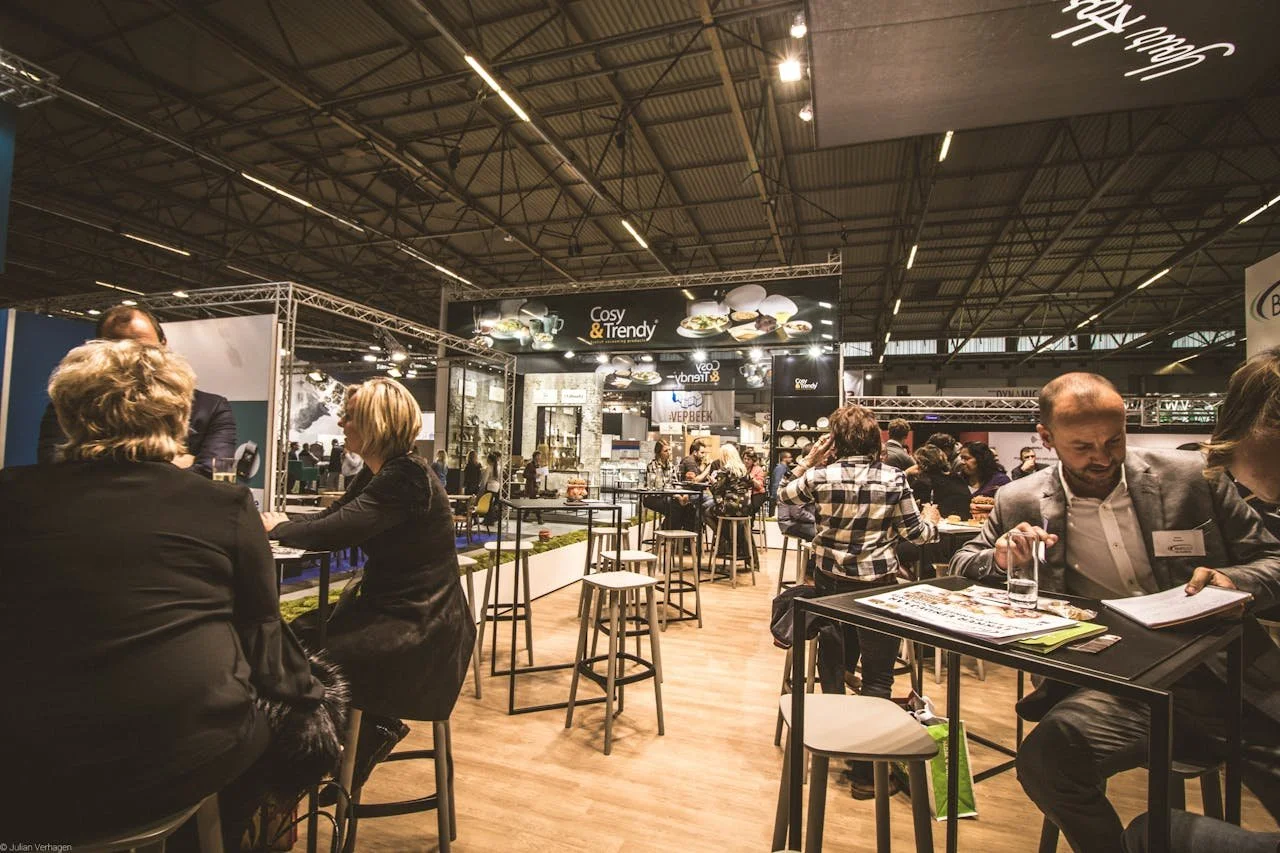
In 2026, experiential and event based marketing will quietly reclaim its crown, not because it is new, but because everything else has become so aggressively forgettable. We scroll past brands all day long, we mute them, and we forget them almost as quickly as we encounter them. What tends to linger is not a logo or a call to action, but how something made us feel in our bodies, in a room, among other people.
This is where events live, and this is why they work.
We are not talking about pizza in a conference room, a branded tote bag, or your logo attached to someone else’s step and repeat. Those gestures register as obligation rather than memory. What we are talking about are high touch experiences where your brand becomes the setting for connection, creating moments that lodge themselves into someone’s personal mythology and quietly reshape how they remember you.
That is event marketing at its best.
Reason #1: Events Have Always Belonged to Power. Not Anymore.
Luxury brands understood the value of events long before the rest of the market caught on, and tech followed closely behind. Instead of building campaigns, they built worlds, inviting people in rather than shouting at them from a distance. Their events were never just about the product. They were about access, identity, and belonging, and that is why they worked.
What has changed is not the effectiveness of event marketing, but who gets to use it. Experiential marketing is no longer reserved for global houses or venture backed startups. It has become one of the most effective tools available to small businesses, professional service firms, and community driven brands. In an era where attention is fragmented and trust is scarce, gathering people in real life is no longer indulgent. It is a strategic advantage.
Reason #2: Influence Travels Faster Through Rooms Than Feeds
Influencer marketing is most effective when it has something real to attach itself to, and events provide exactly that. An experience gives influence texture and context, turning a brand mention into a story rather than a transaction.
When people are invited into an experience instead of handed a script, the content that follows feels lived in and authentic. It shows up in spontaneous moments, unplanned details, and memories that people feel compelled to share. These are not ads in disguise. They are artifacts of something that actually happened.
Your brand does not need to dominate the room to be remembered. It simply needs to be the reason the room exists.
Reason #3: Internal Events Shape Culture Without Announcing Themselves
Some of the most powerful event marketing never faces outward at all. Thoughtful internal programming delivers significant return, particularly when it reflects the lived realities of the people inside an organization. When companies create space for cultural celebration, queer joy, or veteran recognition, employees experience those moments as genuine rather than performative.
An elevated Memorial Day gathering for a veteran owned auto body shop, a queer rave celebrating the launch of a new spirit, or an internal event that allows employees to show up as full people rather than job titles all reinforce values through experience instead of language. This is how culture is shaped without press releases or proclamations. It is how meaningful work gets done without ever having to announce it.
Reason #4: We Are Still Starving for Connection
The pandemic did not end cleanly when restrictions lifted. It ended unevenly and emotionally, leaving behind a persistent hunger for shared experience and real presence. Many people are still craving rooms that feel alive and moments that remind them they are part of something larger than themselves.
Events answer that need by restoring a sense of human connection that digital channels cannot replicate. They remind people that brands can behave like hosts rather than advertisers, that business can be generous, and that connection does not have to be transactional to be meaningful.
The Case for More Parties
In 2026, the brands that endure will not be the ones that shouted the loudest or posted the most frequently. They will be the ones that gathered people well, hosted with intention, and understood that creating a feeling is a legitimate and powerful form of strategy.
Event marketing resists neat spreadsheets, and its value often shows up sideways and over time. While direct sales may occur, the deeper return comes through memory, social proof, story, and content that can be reused and reinterpreted across months of marketing. It appears in the way people talk about your brand when you are not present and in the ease with which your name enters conversations without prompting.
This is why events should not live at the edge of a marketing plan. They belong at the center, acting as the anchor around which everything else orbits.
